

Why Early Spring Is the Best Time to Inspect Your Roof
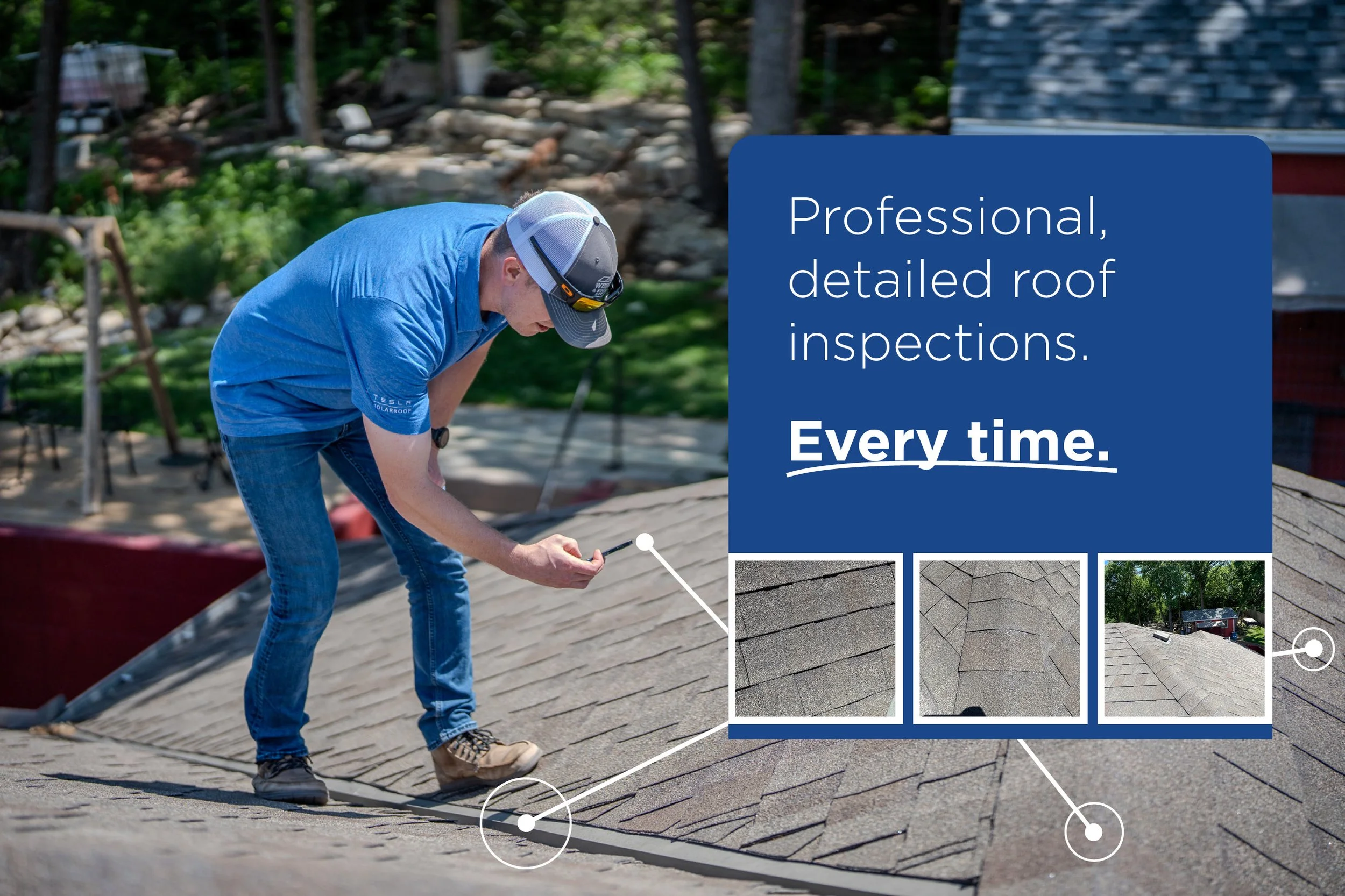
Winter finally loosens its grip, temperatures rise, and homeowners start thinking about outdoor projects again. Your roof may look fine from the ground—but most roof problems don’t start as obvious leaks. They start small: a lifted shingle, a loosened flashing edge, debris in a valley, or a tiny gap around a vent.
That’s why we recommend scheduling an early spring roof inspection. It’s the ideal time to catch post-winter roof damage before spring rains and storm season arrive—so small issues don’t turn into interior repairs.
Key Takeaway: An early spring roof inspection helps catch winter-related damage before repeated spring storms test your roof. Addressing minor issues now can prevent roof leaks, reduce repair costs, and give you peace of mind heading into storm season.
Winter often stresses roofing materials in ways you can’t see from the ground
Winter weather can quietly weaken roofing systems—even when everything looks normal from your driveway.
Wind can lift shingle edges. Snow loads can strain fasteners and flashings. Freeze/thaw cycles cause materials to expand and contract, sometimes opening small gaps at seams and penetrations.
During a typical spring roof inspection, we commonly find:
Lifted or cracked shingles
Sealant failure and exposed fasteners
Holes or damage caused by pests seeking shelter from the cold
Loose, bent, or rusted flashings around chimneys, skylights, and vents
Valleys and gutters clogged with twigs, leaves, and pine needles accumulated over winter
None of these issues automatically mean you need a new roof. But left alone, they can become entry points for water once spring rains arrive.
Spring inspections help you get ahead of leak season
One vulnerable spot plus repeated spring rain is often how leaks begin.
Roofs don’t need large openings to allow water intrusion. Wind-driven rain can work beneath a slightly lifted shingle. Water can back up behind debris. A cracked pipe boot can allow steady drips during prolonged storms.
Scheduling a spring roof inspection now means:
Small repairs can be completed before heavy rain cycles begin
You avoid emergency calls during storms
Damage is addressed before it spreads to decking, insulation, or drywall
An inspection today is almost always simpler—and less stressful—than dealing with a leak during a storm.
Gutters and drainage systems need a post-winter reset
Proper drainage is essential to roof performance.
Over the winter, gutters and downspouts can loosen, clog, or shift. Snow slides and ice buildup put strain on brackets and seams. Granules from asphalt shingles often accumulate near downspouts.
In early spring, we frequently see:
Clogged gutters causing overflow
Sagging or separated gutter sections
Valleys packed with debris
Downspouts draining too close to the foundation
When water doesn’t move off the roof efficiently, it can back up under shingles or run behind fascia and siding. Early-season roof maintenance restores proper flow and protects more than just the roof—it protects your entire exterior.
Flashing and roof penetrations are the most common failure points
Most roof leaks start at transitions—not in the middle of open shingle fields.
Areas we monitor closely include:
Chimneys (step and counterflashing)
Plumbing vent boots
Furnace and exhaust vents
Skylights
Sidewall transitions
Low-slope-to-steep-slope connections
These areas combine multiple materials—metal, sealant, shingles, fasteners—all of which expand and contract at different rates. Over time, seals can crack or metal can shift slightly.
When caught early, these are often straightforward repairs. Addressing them now can prevent roof leaks before storm season intensifies.
Early spring is the right time to check attic moisture and ventilation
A thorough roof inspection includes looking inside when accessible.
Attics often reveal clues that the roof surface cannot. Early spring is ideal because it follows months of cold-weather condensation and limited airflow.
We look for:
Water staining on roof decking
Damp or compressed insulation
Rusted nail tips
Musty odors
Bathroom fans venting improperly into attic space
Blocked soffit intake or insufficient exhaust ventilation
Moisture problems can shorten roof life and contribute to mold concerns. Identifying ventilation imbalances now also helps reduce the risk of ice dam conditions next winter.
Scheduling is easier before peak storm season
Early spring offers practical advantages beyond the roof itself.
Once storm season begins, roofing schedules fill quickly—especially after wind or hail events. By planning ahead, you benefit from:
Better appointment availability
More flexible repair scheduling
Time to evaluate options if larger work is needed
A documented baseline before major storms
This is smart storm season preparation—not reactive, but proactive.
Preventative maintenance extends roof life and supports documentation
Routine inspections help extend the lifespan of your roofing system.
Minor repairs and targeted roof maintenance typically cost far less than major leak repairs or premature replacement. Addressing small concerns early reduces long-term wear.
A professional inspection also provides:
Photo documentation
Written findings in plain language
A clear priority list (urgent vs. monitor)
Straightforward next-step recommendations
Having records on file can also support future insurance conversations if storm damage is discovered later.
What does a professional roof inspection include?
A thorough inspection goes beyond a quick visual scan.

Exterior Evaluation
We examine:
Shingles or metal panels
Ridge caps and hips
Flashing at walls and chimneys
Pipe boots and penetrations
Skylight details
Valleys and drainage paths
Gutters and downspouts
Fascia and soffit areas
Low-slope or flat roof sections
Signs of wind or hail impact
Interior / Attic Evaluation (when accessible)
We check for:
Water staining or decking discoloration
Mold or mildew indicators
Damp insulation
Ventilation intake and exhaust performance
What You Receive
Clear inspection photos
Written summary of findings
Priority recommendations
Practical repair or monitoring guidance
We focus on clarity—not pressure—so you can make informed decisions.
What can homeowners safely check from the ground?
While climbing on the roof isn’t recommended, a simple ground-level review can reveal warning signs.
Look for:
Missing or curling shingles
Shifted or dented metal panels
Debris in valleys
Sagging or detached gutters
Granules collecting near downspouts
Ceiling stains indoors
If the roof is steep, wet, or high—or if you’re unsure—avoid climbing up. Roof surfaces can be slippery and fragile. A licensed, insured professional has the proper training and equipment to inspect safely.
FAQs
How often should I schedule a roof inspection?
At least once per year and after significant wind or hail events. Many homeowners choose an annual early spring roof inspection.
What post-winter roof damage is most common?
Lifted shingles, flashing separation, clogged drainage, cracked seals, and attic moisture issues are the most frequent findings.
Will an inspection detect hail damage?
Yes. We look for impact indicators and document any storm-related findings with photos.
How long does a roof inspection take?
Most inspections take 30–60 minutes, depending on roof size and complexity.
Is it worth it if my roof looks fine?
Yes. Many issues that cause leaks are not visible from the ground. An inspection helps prevent roof leaks before they start.
Do you inspect gutters and attics as well?
Yes. Drainage systems and attic conditions are part of a complete evaluation when accessible.
Schedule Your Early Spring Roof Inspection
Early spring is the right time to act—after winter stress and before heavy rain and storm season begin.
If you’d like clarity about your roof’s condition, we’re here to help.
Schedule an early spring roof inspection with Weddle and Sons today.
We serve homeowners throughout [Service Area] and provide a photo-documented inspection with straightforward recommendations.
A simple inspection now can prevent bigger problems later—and give you confidence heading into the months ahead.